Serving North Toronto, East York & Midtown Toronto. Proudly Canadian!


The #1 Reason Deck Projects Go Wrong in Toronto: Miscommunication
Everybody’s heard the horror stories. Fraud. Disappearing contractors. Half-built decks. Junk work.
Those things are real. I’m not going to pretend they aren’t. If you’re living through that right now, call me and I’ll tell you what your options usually are.
But here’s the problem that wrecks good deck projects too. The ones where you hired a reputable builder. The crew shows up. The structure is safe. The workmanship is solid.
And you still end up stressed, disappointed, or arguing about “what you thought you were getting.”
That problem is miscommunication.
How Can a Deck Go Sideways if the Builder Is Skilled?
A deck builder lives in deck-land all day.
After one site visit, I can usually picture the finished deck in my head. The proportions. The lines. The way it fits the yard. How it looks from the kitchen window. Where the traffic naturally flows.
Most homeowners don’t think about decks for a living. You’ve got a career, kids, travel, life. You might be very sharp, but you’re not spending your evenings comparing decking profiles, railing systems, and trim details.
So you’re forced to imagine a finished structure without the mental library a builder has.
Then the build starts. Framing goes in. Suddenly it’s real. And you see something you didn’t picture.
That moment causes the “Can we just…” requests that blow timelines and budgets up.
What Miscommunication Looks Like on a Real Toronto Deck Build
These are the repeat offenders I see in Rosedale, Forest Hill, Lawrence Park, Leaside, and North York:
“I didn’t realize it would take up that much yard”
Plans and pictures are always going to be as big as the screen you are viewing it on. This can throw off your sense of size and scale. Proportions often feel different in real life.
“That railing feels heavier than I expected”
Railings are a big visual element. Posts land in specific spots. Code spacing matters. Sightlines matter. If the railing choice stays vague until the deck is half built, you’re picking under pressure.
“I thought the deck boards would look different in my yard”
Some boards look rich and natural. Some look flat. Some look plastic in the wrong light. You can’t judge that from a website photo. You need samples in your shade, next to your brick, your stone, your landscaping.
“I assumed you’d include skirting, fascia, and finishing”
This one causes fights. A homeowner expects a “finished” deck. A contractor prices a “basic” deck. Nobody’s lying. They’re picturing different end results.
Details that need to be defined early:
- fascia and trim finish level
- skirt style (or no skirt)
- how the deck ties into grade and landscaping
- whether posts are wrapped and finished or left exposed
- lighting, outlets, and any wiring paths
Why Miscommunication Is the Most Expensive Problem
Because the worst time to discover a misunderstanding is when the deck is already taking shape.
Changing “pixels” is cheap. Changing lumber is not.
Shift the footprint after framing starts and you trigger a chain reaction. Structure, posts, foundations, railings, finishes, sometimes even approvals. That’s real labor and real material.
What a Good Contractor Should Do Before the First Board Gets Installed
You don’t need a fancy sales process. You need alignment.
1) A scope that’s painfully specific
Not “build deck.” I mean the parts that always get assumed:
- the final footprint and where it sits in the yard
- deck board direction and layout
- picture framing or no picture framing
- railing model and finish level
- skirting and trim details
- what “finished” looks like at the edges
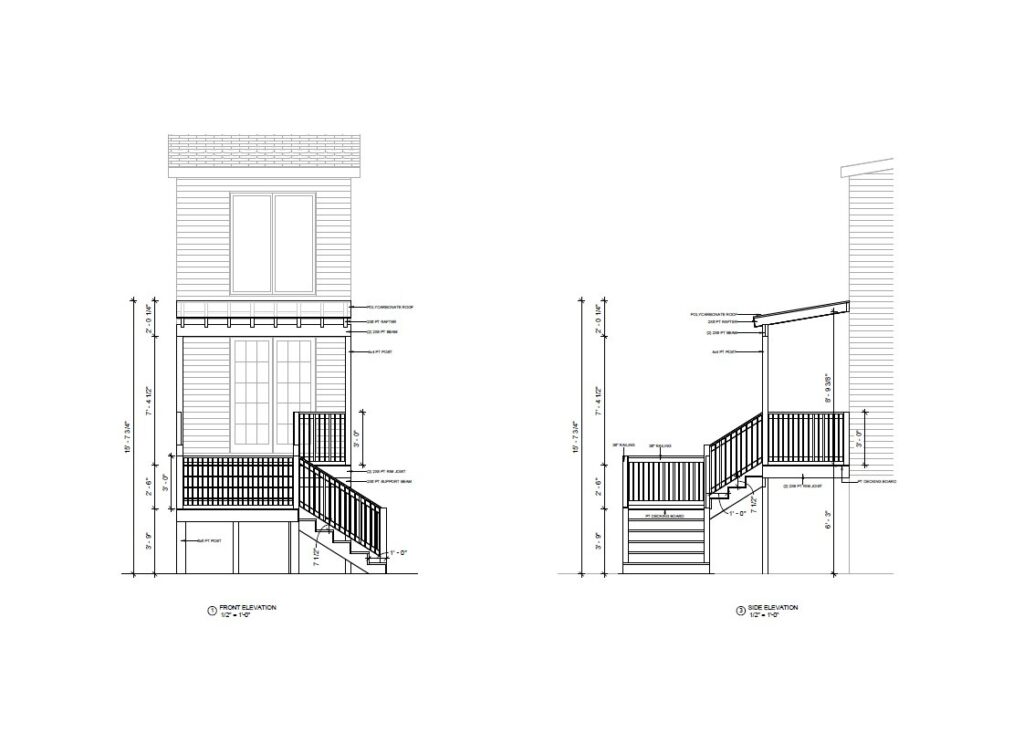
2) Plans you can point at
A proper plan does two things. It makes you confident, and it makes everyone accountable. It is a single source of truth that everyone can agree on. If there are any disagreements during the build from either side, we can always go back to the plans to see what was agreed to.
3) Real samples, in your yard
Decking and railing look different in shade than in full sun. Hold the sample where the deck will live. If you can’t picture it, don’t sign off on it.
Lock the Details Before the Build Starts
Before the build starts, everything you are (and are not) getting needs to be spelled out on paper.
A good contractor should put these things in writing and get confirmation before the build starts:
- deck footprint and key dimensions
- decking color and board layout
- railing model, color, and post layout
- skirt/trim finish level
- permit status and inspection plan
- any site work that affects the deck (grading, drains, downspouts)
If that sheet is vague, the project is still a moving target. Moving targets cost money.